Columbia River Gorge · Washington

Where the wild
takes root.

Native seed cultivated above the Columbia—shaped by relentless sun, winter wind, and the basalt ground beneath us.

Also at Cliffside Top of Lift Paragliding Launch conditions, training & flights
01 Gorge-grown 02 Ecologically grounded 03 Tested by the elements
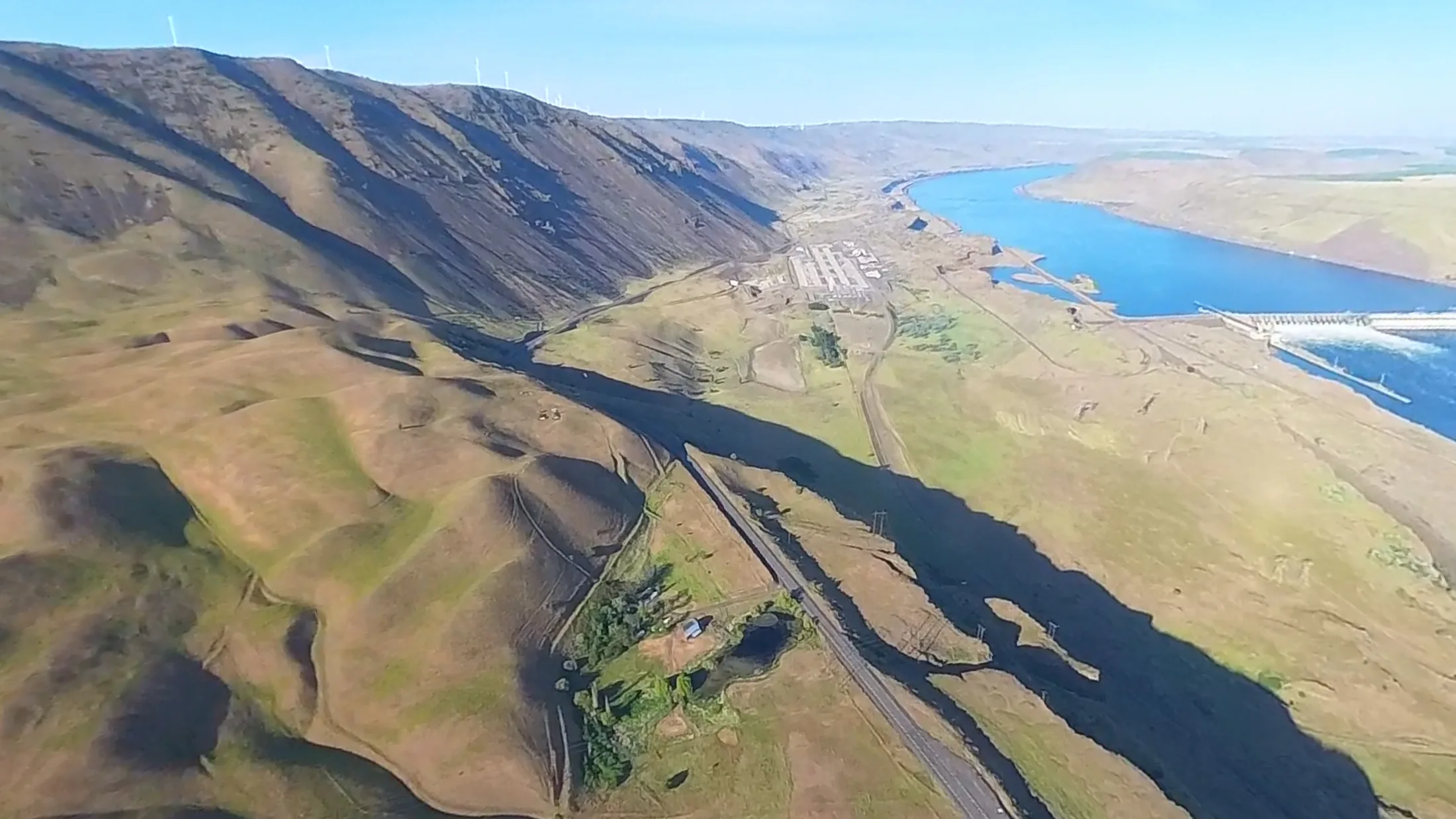
Aerial view over Cliffside Ranch toward the Columbia River and basalt hills

Our story

Between sagebrush
and basalt.

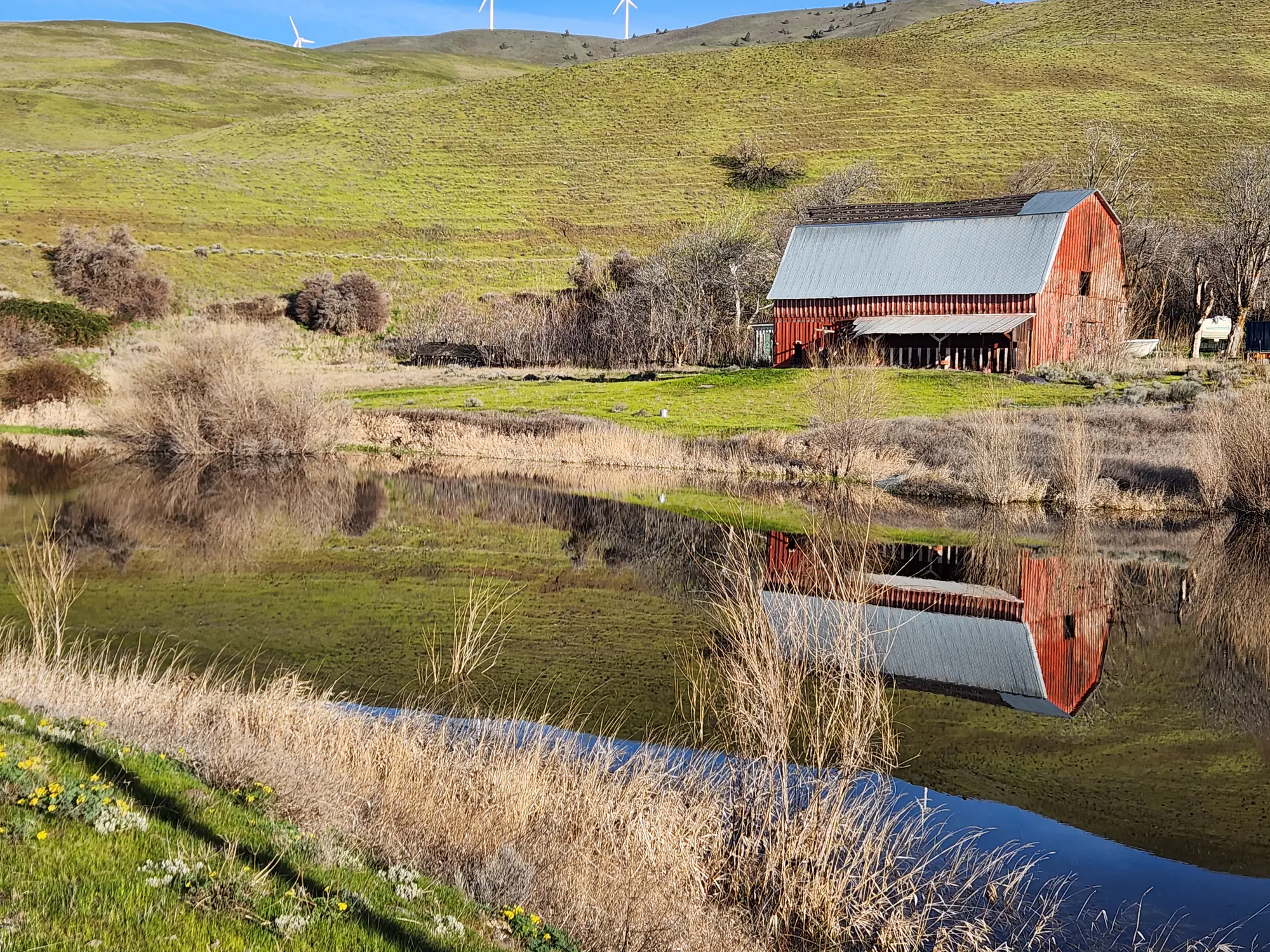
Perched above the mighty Columbia River, we’ve spent years cultivating relationships with the land.

Our seeds are harvested from wild stands and cultivated plots across Central Washington’s unique steppe ecosystem—plants that have evolved to thrive through hot, dry summers and cold, windy winters.

We believe the best gardens work with nature, not against it. Whether you’re restoring a disturbed hillside, creating pollinator habitat, or shaping a landscape that feels authentically at home, these seeds offer deep-rooted resilience and unmatched ecological value.

Why native matters
Above Cliffside Columbia River Basalt country
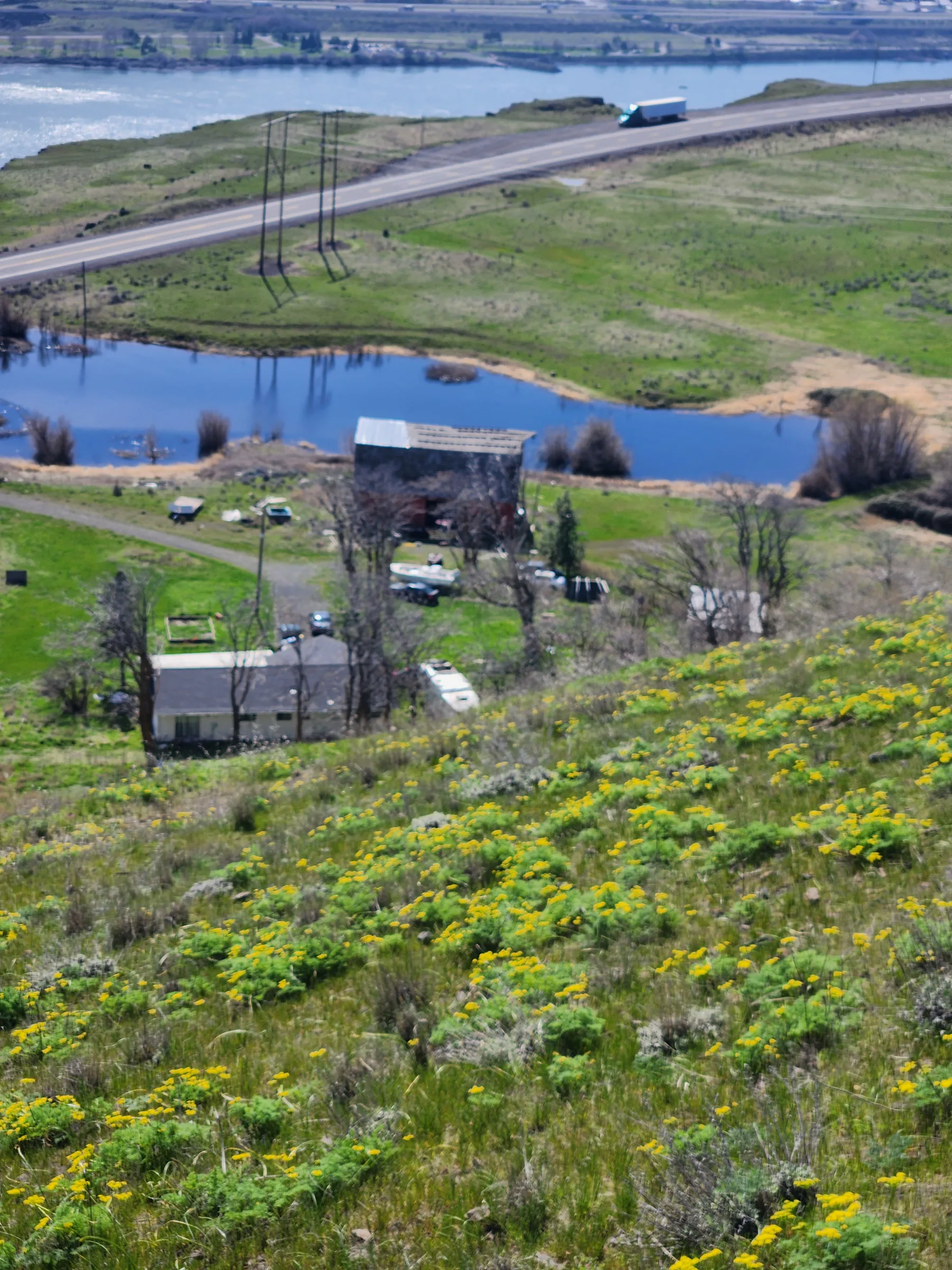
Yellow spring wildflowers covering the hillside above Cliffside Ranch and the Columbia River

Grown here.
Tested here.
Proven here.

Spring on the hillside Looking down toward the Columbia

Featured native varieties

Seeds of the Basin.

Ten enduring species. Each one shaped by this place, each one with a role to play in building a more resilient landscape.

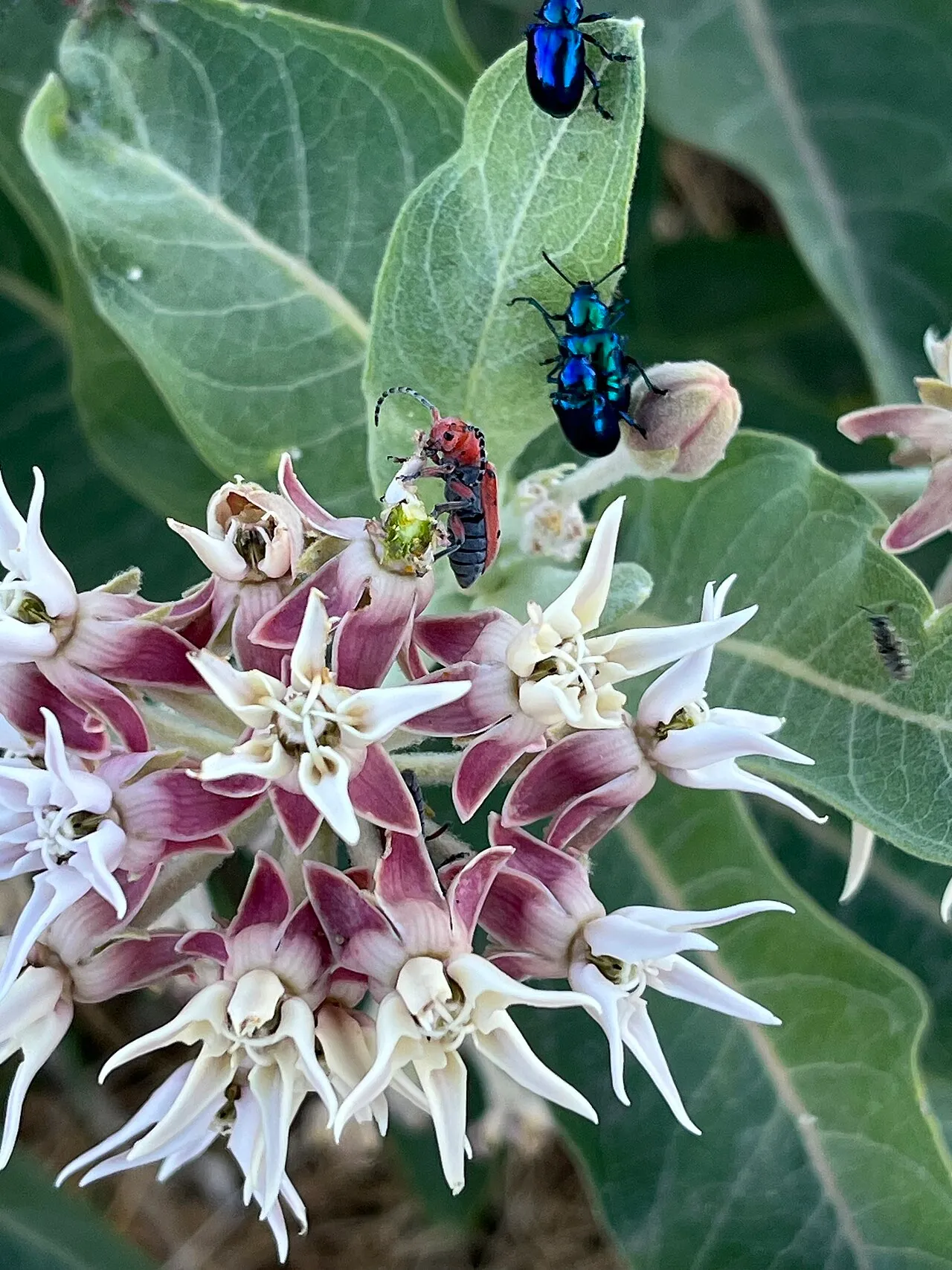
  1. A pale pink cluster of showy milkweed flowers 01 Seed availability coming soon

    The Monarch’s Lifeline

    Showy Milkweed

    Asclepias speciosa

    Pale pink starbursts, silver-green foliage, and one of the Columbia Basin’s most important relationships.

    • Pollinator habitat
    • Drought tolerant
    • Sunny slopes
    Read the field note

    Showy milkweed is the Pacific Northwest’s essential milkweed species for monarch butterflies, serving as the host plant for their caterpillars. Its fragrant flower clusters draw bumblebees, honeybees, and hummingbirds, while deep taproots make it remarkably drought-tolerant once established. Seed pods open into silky parachutes that carry the next generation on the wind.
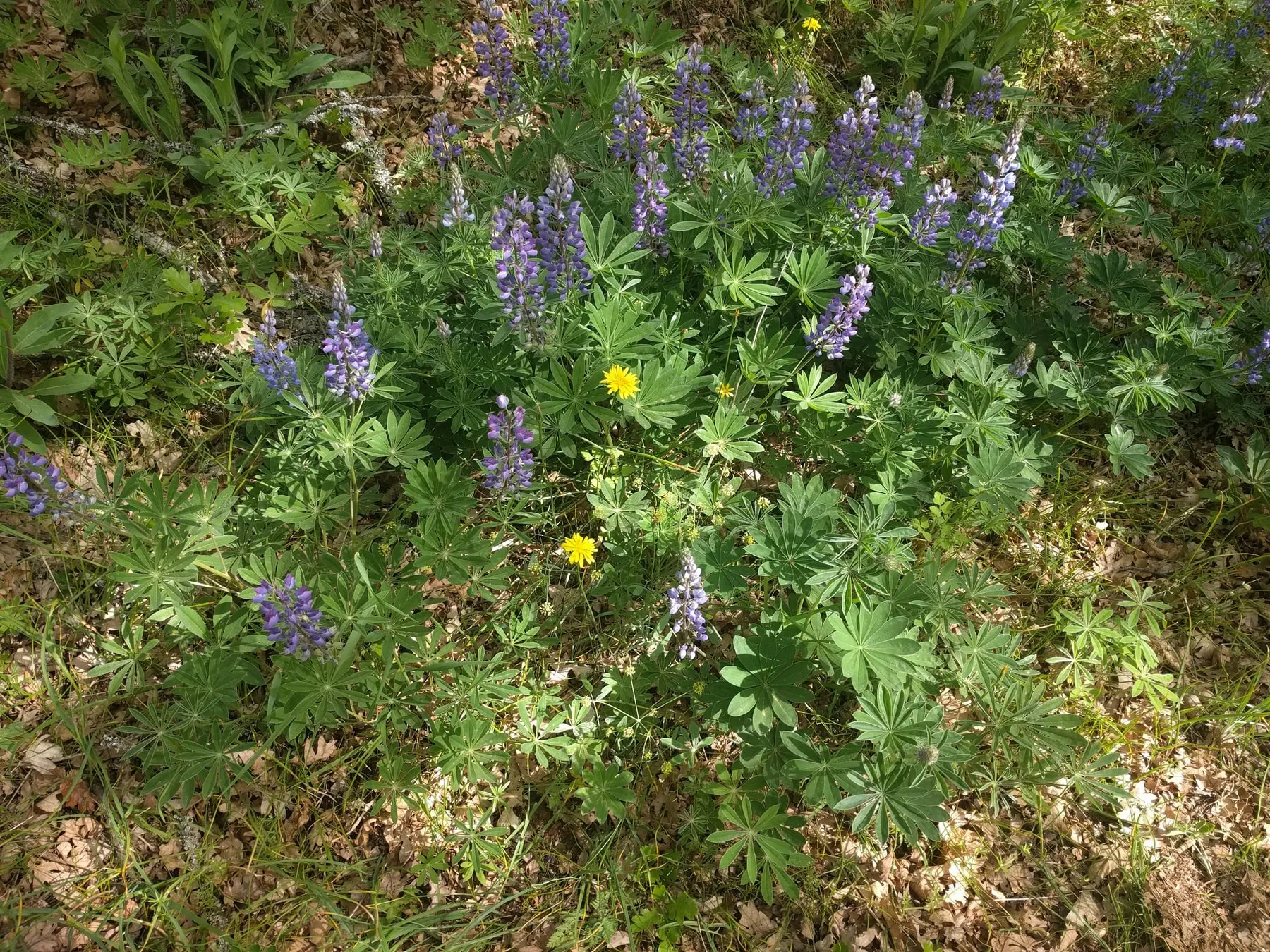
  2. Purple Columbia Gorge broadleaf lupine blooming among broad palmate green leaves 02 Seed availability coming soon

    The Gorge Endemic

    Columbia Gorge Broadleaf Lupine

    Lupinus latifolius var. thompsonianus

    Violet flower spires and broad palmate leaves from a variety found only along the eastern Columbia River Gorge.

    • Gorge endemic
    • Nitrogen fixing
    • Spring color
    Read the field note

    This regionally distinctive broadleaf lupine grows in open Gorge grasslands and rocky slopes, where purple racemes rise above foliage divided into seven to nine leaflets. Like other lupines, it partners with soil bacteria to fix nitrogen while its roots help stabilize disturbed ground. Its narrow native range makes local seed provenance especially important.

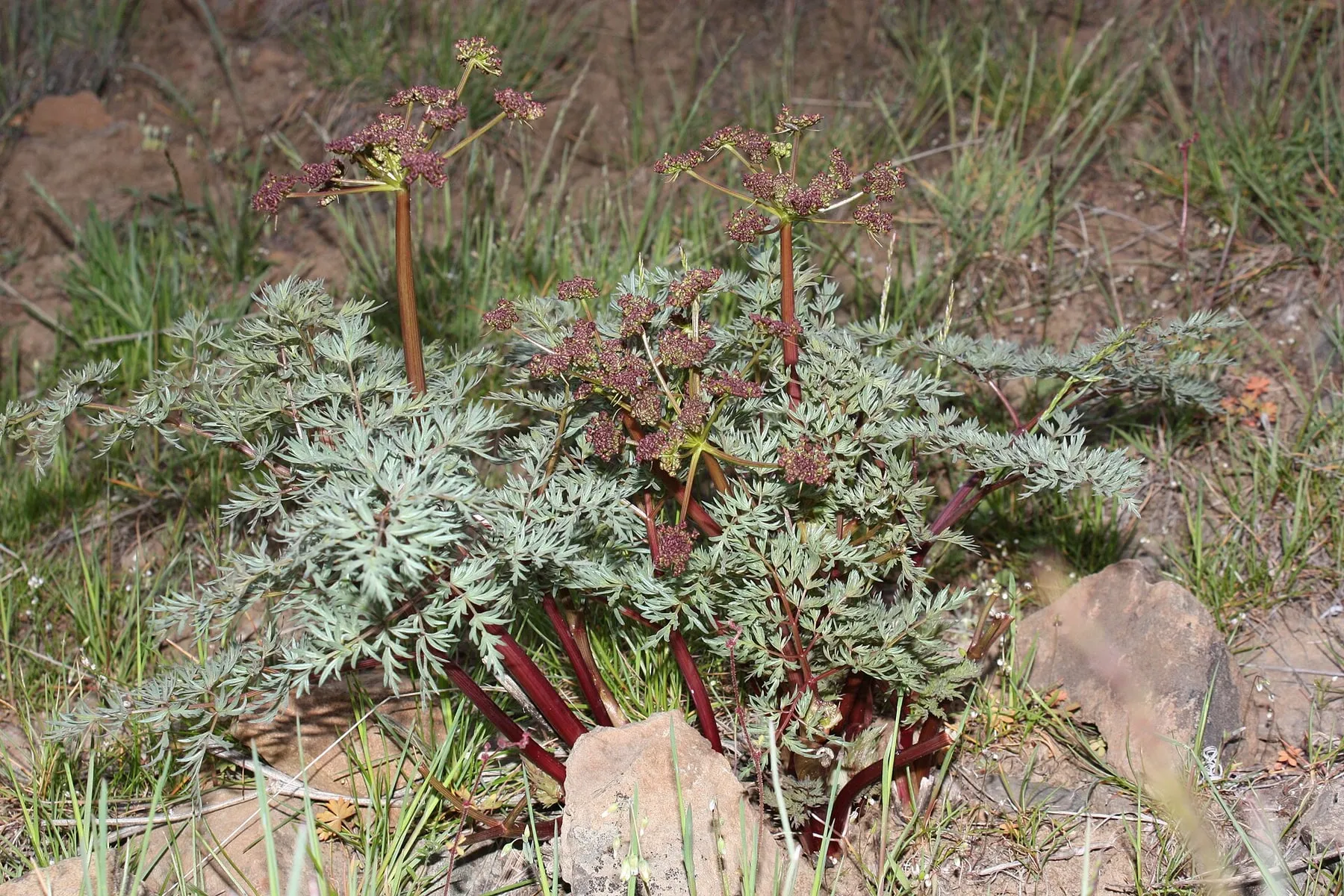
  3. Burgundy fernleaf biscuitroot umbels above finely divided silver-green leaves 03 Seed availability coming soon

    The Chocolate Tips

    Fernleaf Biscuitroot

    Lomatium dissectum

    Burgundy umbels rise above finely divided silver-green foliage, bringing sculptural form to dry country.

    • Early growth
    • Dry slopes
    • Deep rooted
    Read the field note

    Fernleaf biscuitroot—also called fernleaf desert-parsley, carrotleaf biscuitroot, and chocolate tips—is a deep-rooted native perennial of open woods, sagebrush, grasslands, and rocky slopes. It begins growing soon after snowmelt, sending broad flower umbels above lacy, fernlike leaves. Its substantial taproot helps it persist through summer drought after the foliage has gone dormant.

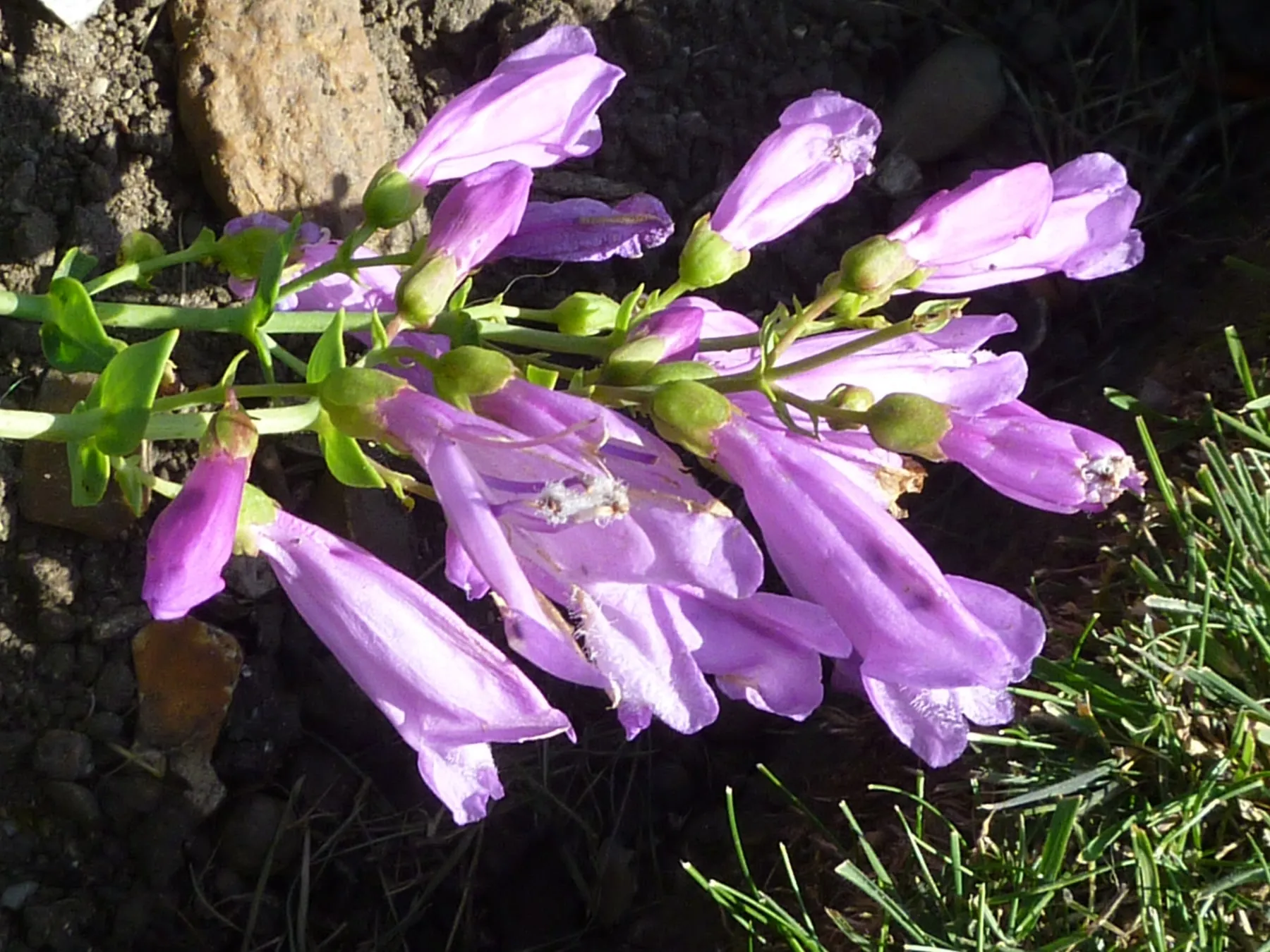
  4. Rose-purple tubular flowers of Barrett’s penstemon 04 Seed availability coming soon

    The Basalt Beardtongue

    Barrett’s Penstemon

    Penstemon barrettiae

    A true Columbia Gorge endemic, with blue-green foliage and saturated rose-purple flowers set against basalt.

    • Gorge endemic
    • Rocky sites
    • Spring color
    Read the field note

    Barrett’s penstemon, also called Barrett’s beardtongue, is restricted to the Columbia River Gorge, where it forms blue-green mats on basalt cliffs and rocky ledges. Clusters of tubular magenta-purple flowers rise above its thick foliage in spring. It is a striking fit for sunny, lean sites where drainage is excellent and the planting can echo its native cliffside habitat.

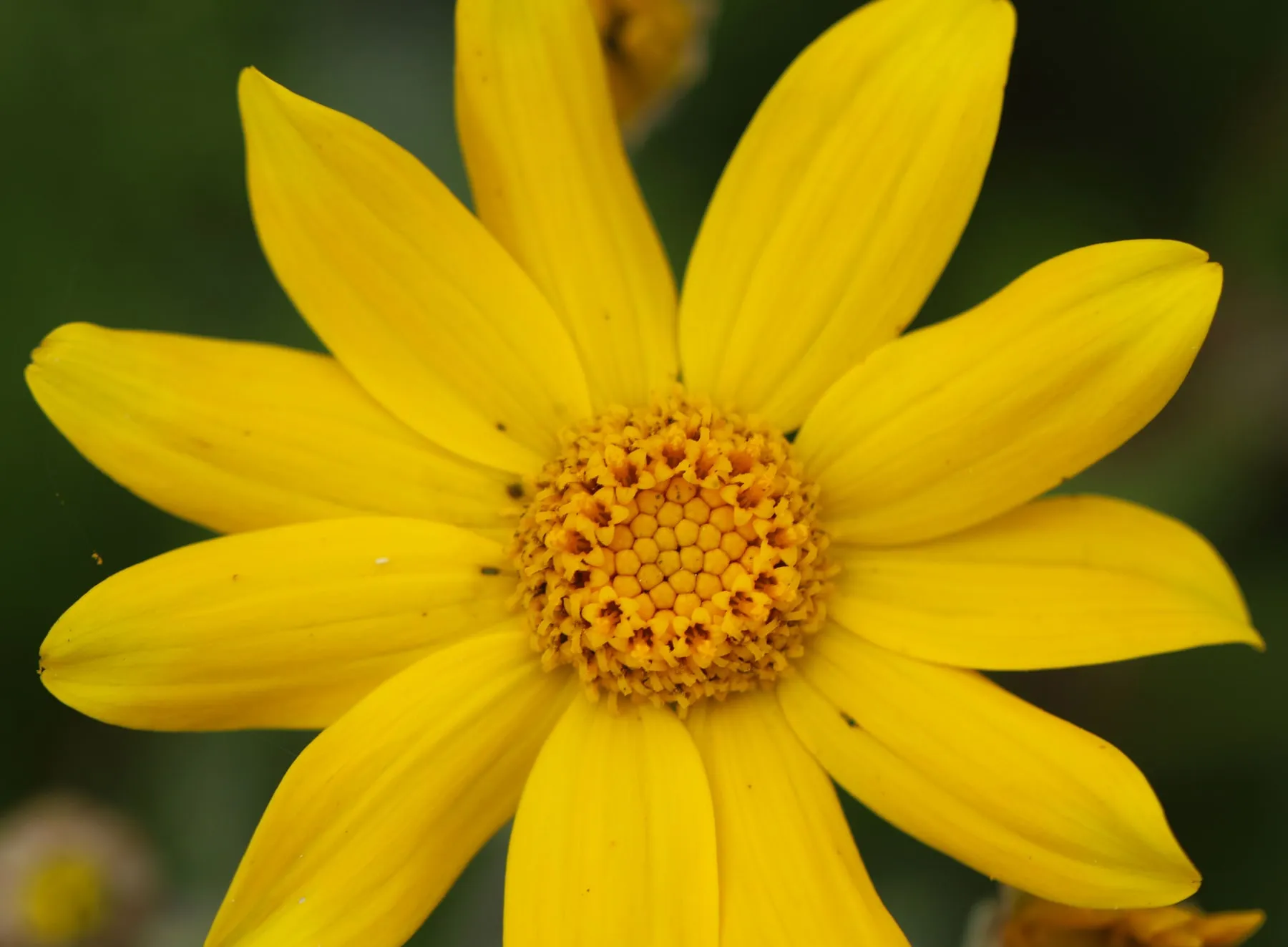
  5. Golden Oregon sunshine flower in bloom 05 Seed availability coming soon

    The Woolly Sunflower

    Oregon Sunshine

    Eriophyllum lanatum

    Golden daisies over soft silver-green foliage—a long-blooming native made for sun-baked ground.

    • Long bloom
    • Full sun
    • Low water
    Read the field note

    Oregon sunshine, also called common woolly sunflower, is a compact native perennial of grasslands, rocky slopes, and open dry sites. Fine hairs give its foliage a soft gray cast and help it thrive through summer heat. From late spring into summer, abundant yellow flowers bring lasting color to pollinator gardens and low-water landscapes.

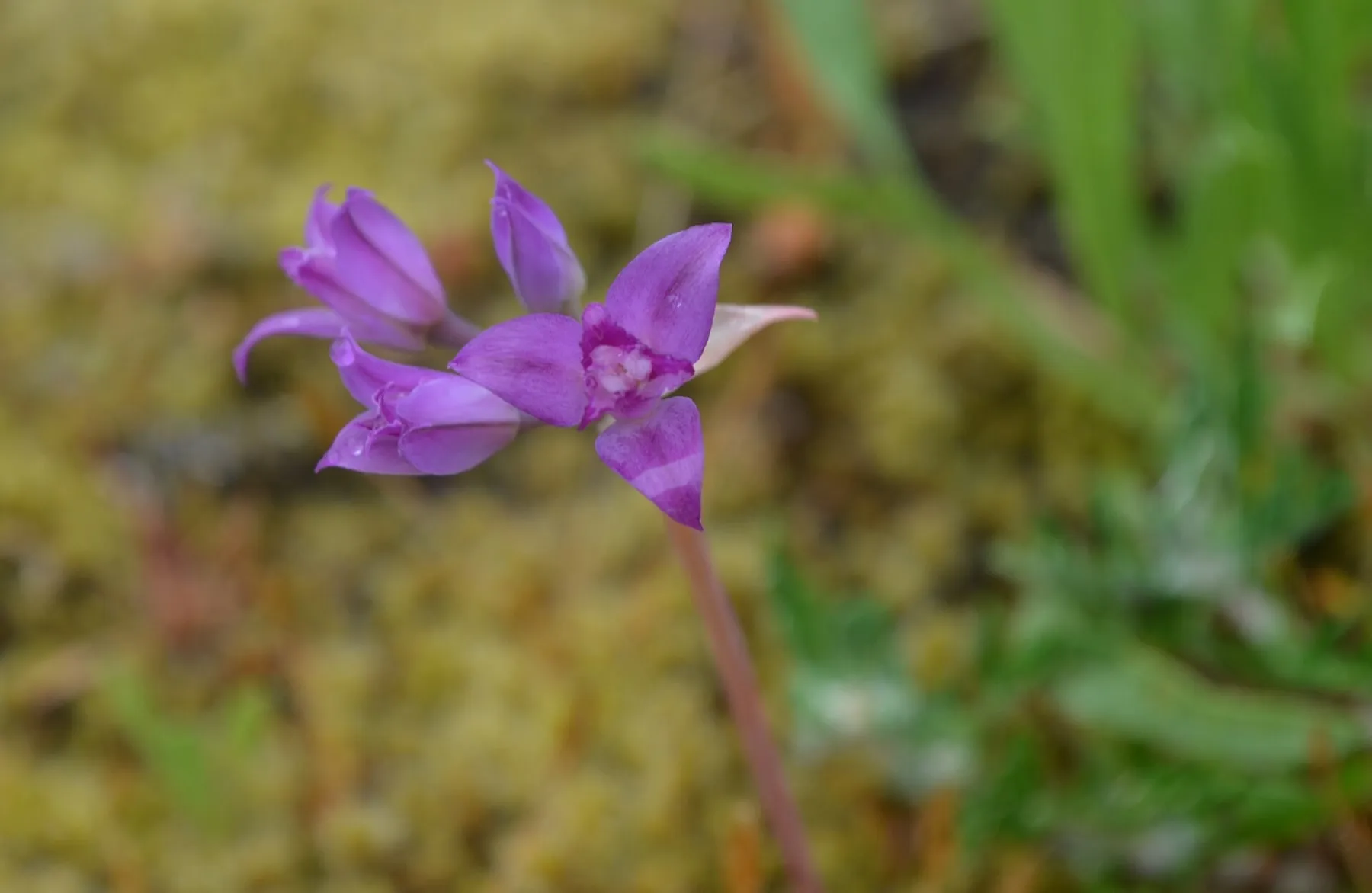
  6. Pointed rose-pink flowers of Hooker’s onion 06 Seed availability coming soon

    The Prairie Spark

    Hooker’s Onion

    Allium acuminatum

    Pointed rose-pink flowers flare outward like a small firework above the dry ground.

    • Native bulb
    • Rocky ground
    • Spring bloom
    Read the field note

    Hooker’s onion, also called tapertip onion, is a bulb-forming native perennial of dry meadows, sagebrush slopes, and rocky outcrops. Each loose flower cluster is made of sharply pointed pink tepals that deepen toward the center. It settles naturally into sunny, fast-draining ground, where its compact spring bloom offers an early-season pulse for small native pollinators.

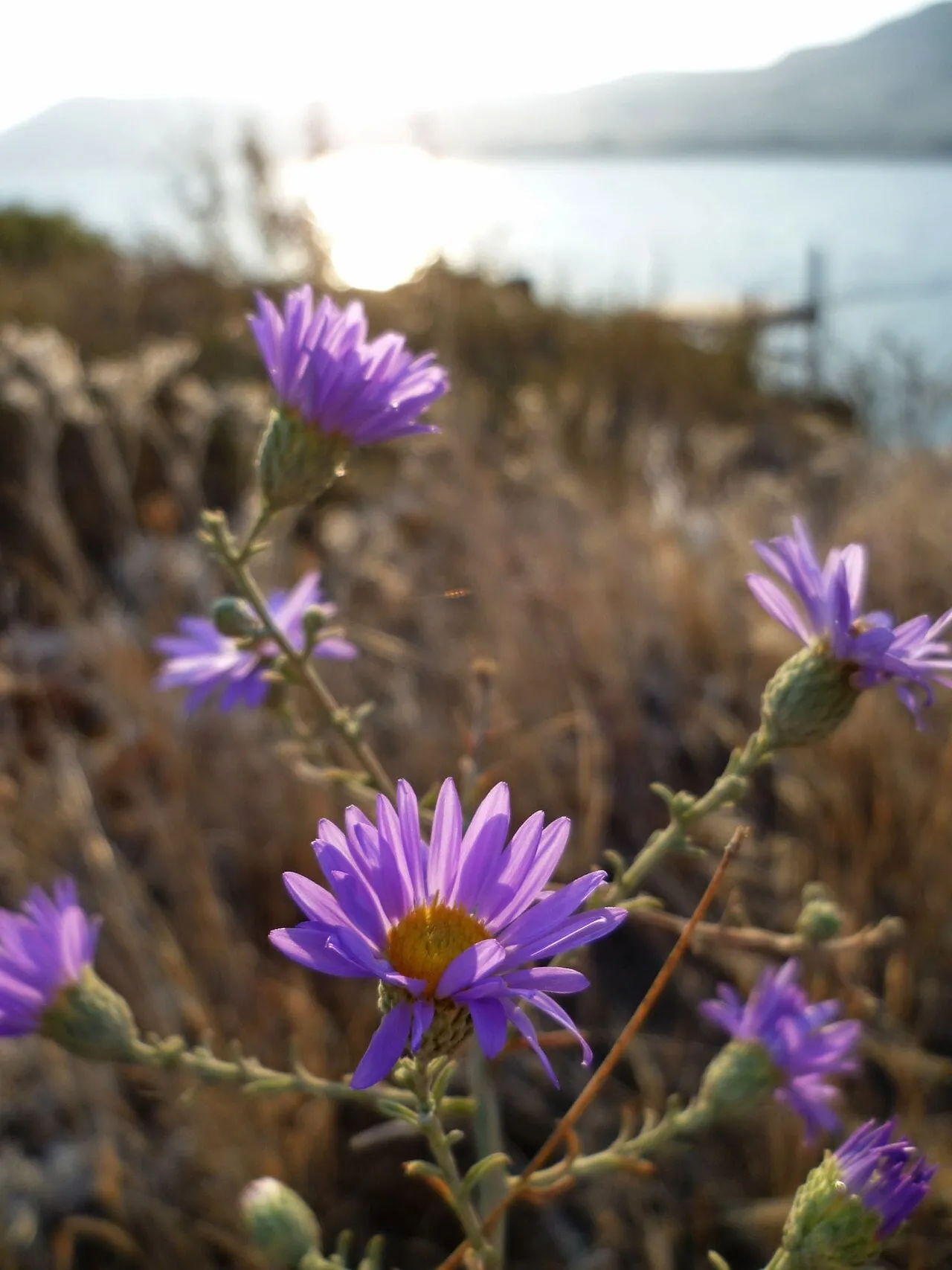
  7. Purple hoary aster flowers beside the Columbia River 07 Seed availability coming soon

    The Last Purple

    Hoary Aster

    Dieteria canescens

    Electric violet daisies arrive after the hills turn tawny, carrying the color of the Gorge into fall.

    • Late season
    • Dry ground
    • Reseeds readily
    Read the field note

    Hoary aster—also known as hoary tansyaster or purple aster—is a late-blooming native of dry slopes, open grasslands, and disturbed ground. Fine pale hairs give its stems and leaves the silvery cast behind its name, while branching sprays of purple flowers brighten the landscape late in the season. It handles lean soil and summer drought, then readily reseeds where conditions suit it.

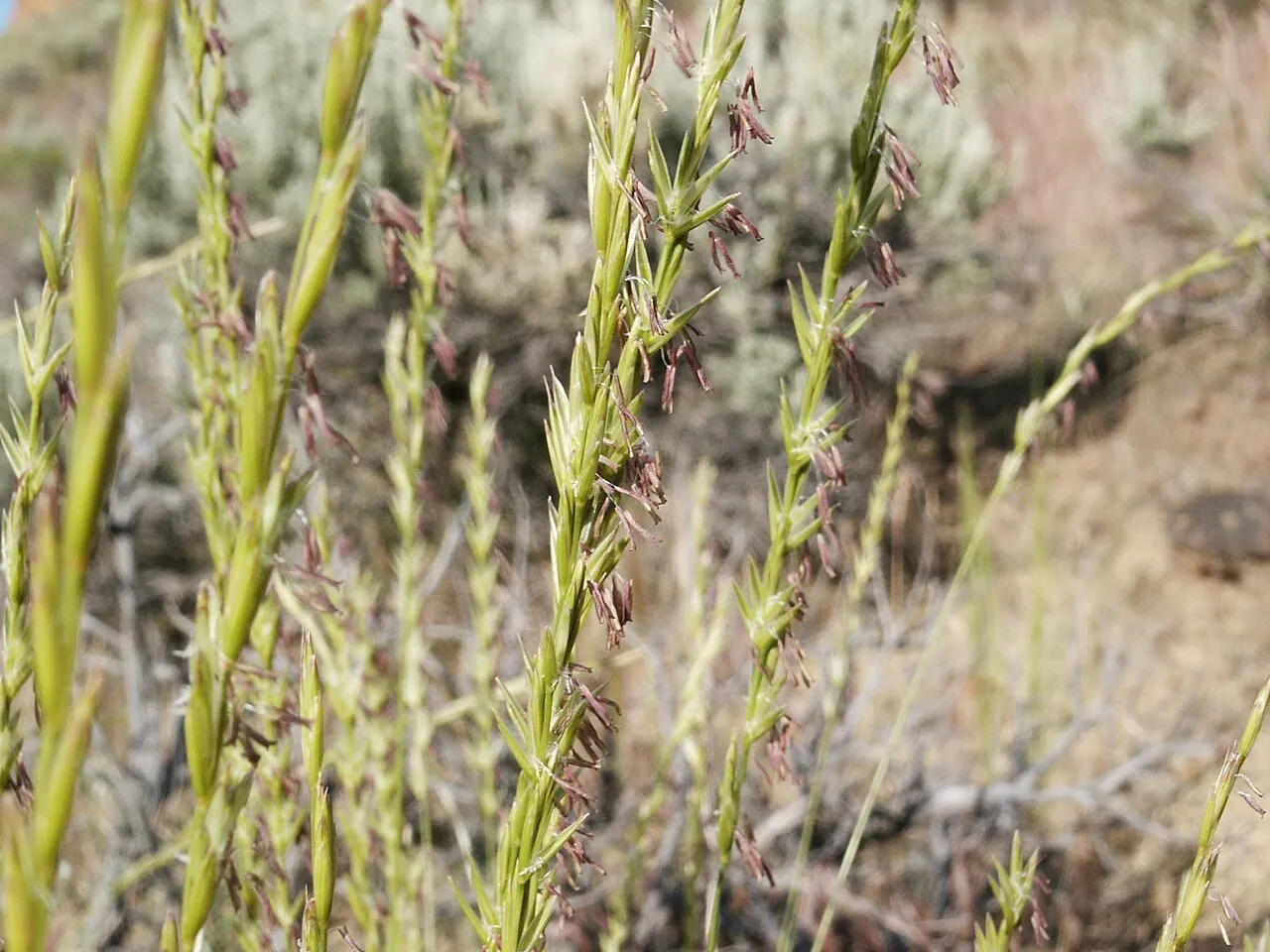
  8. Bluebunch wheatgrass seed heads in a dry native grassland 08 Seed availability coming soon

    The Foundation

    Bluebunch Wheatgrass

    Pseudoroegneria spicata

    Fine blue-green foliage and dancing seed heads—the quiet structure of the inland Northwest.

    • Soil stabilizer
    • Habitat structure
    • Drought hardy
    Read the field note

    No native seed mix is complete without this foundational bunchgrass. Bluebunch wheatgrass is the backbone of Columbia Basin grasslands, providing structure, erosion control, and habitat. Deep-rooted and drought-hardy, it stabilizes soil while leaving space for wildflowers to thrive between its clumps, then turns to the classic amber of summer.

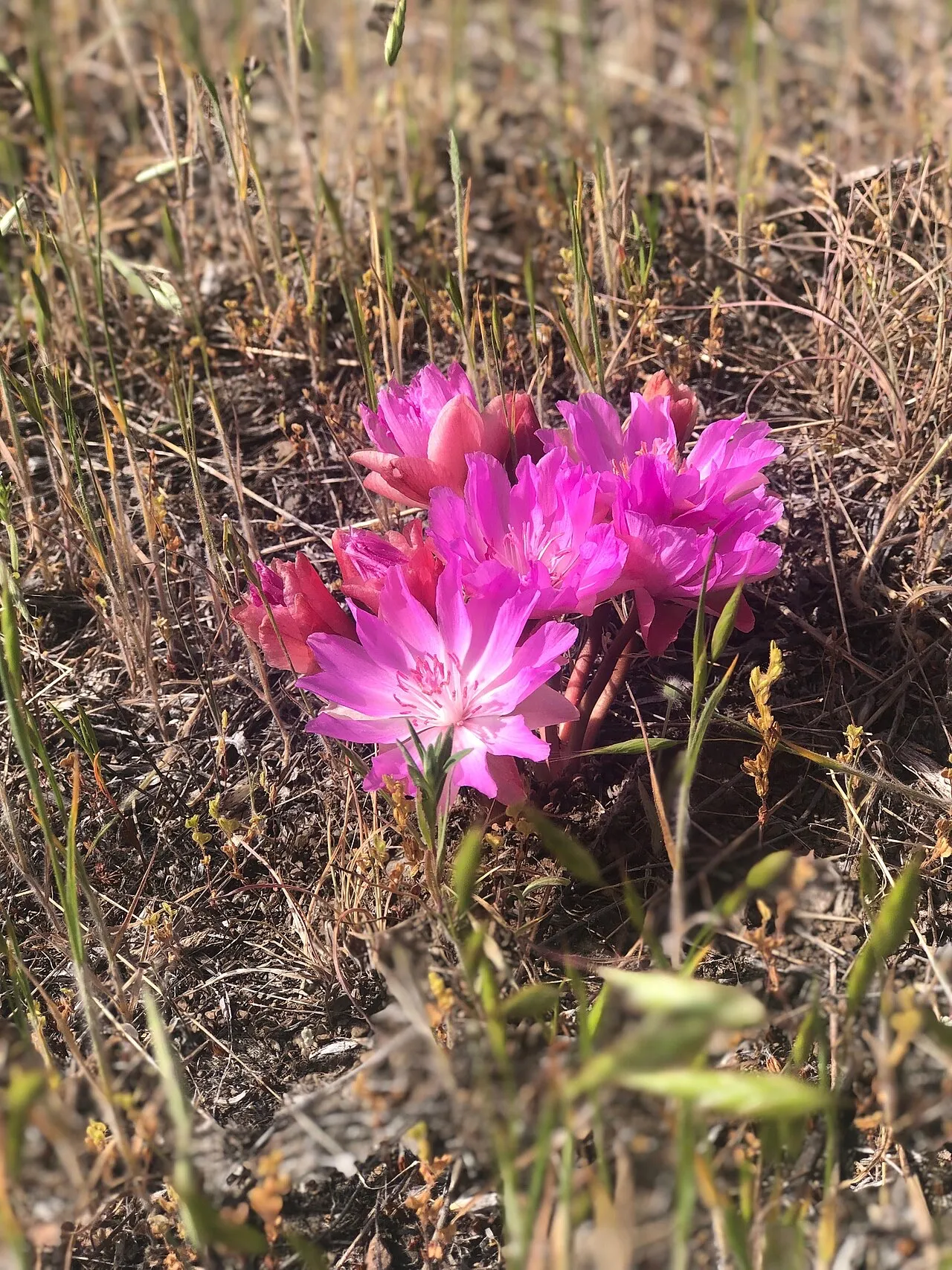
  9. A pale pink bitterroot flower open against rocky ground 09 Seed availability coming soon

    The Rock Garden Jewel

    Bitterroot

    Lewisia rediviva

    Delicate pink-white flowers emerging from places where little else dares to grow.

    • Rock gardens
    • Lean soils
    • Low water
    Read the field note

    Montana’s state flower is equally at home on Washington’s basalt cliffs. This succulent perennial is perfectly adapted to thin, fast-draining soils, with fleshy roots that store water through long dry spells. Its blooms close in cloudy weather and open wide in sunshine, making it a beautiful fit for rock gardens, green roofs, and erosion-prone slopes.

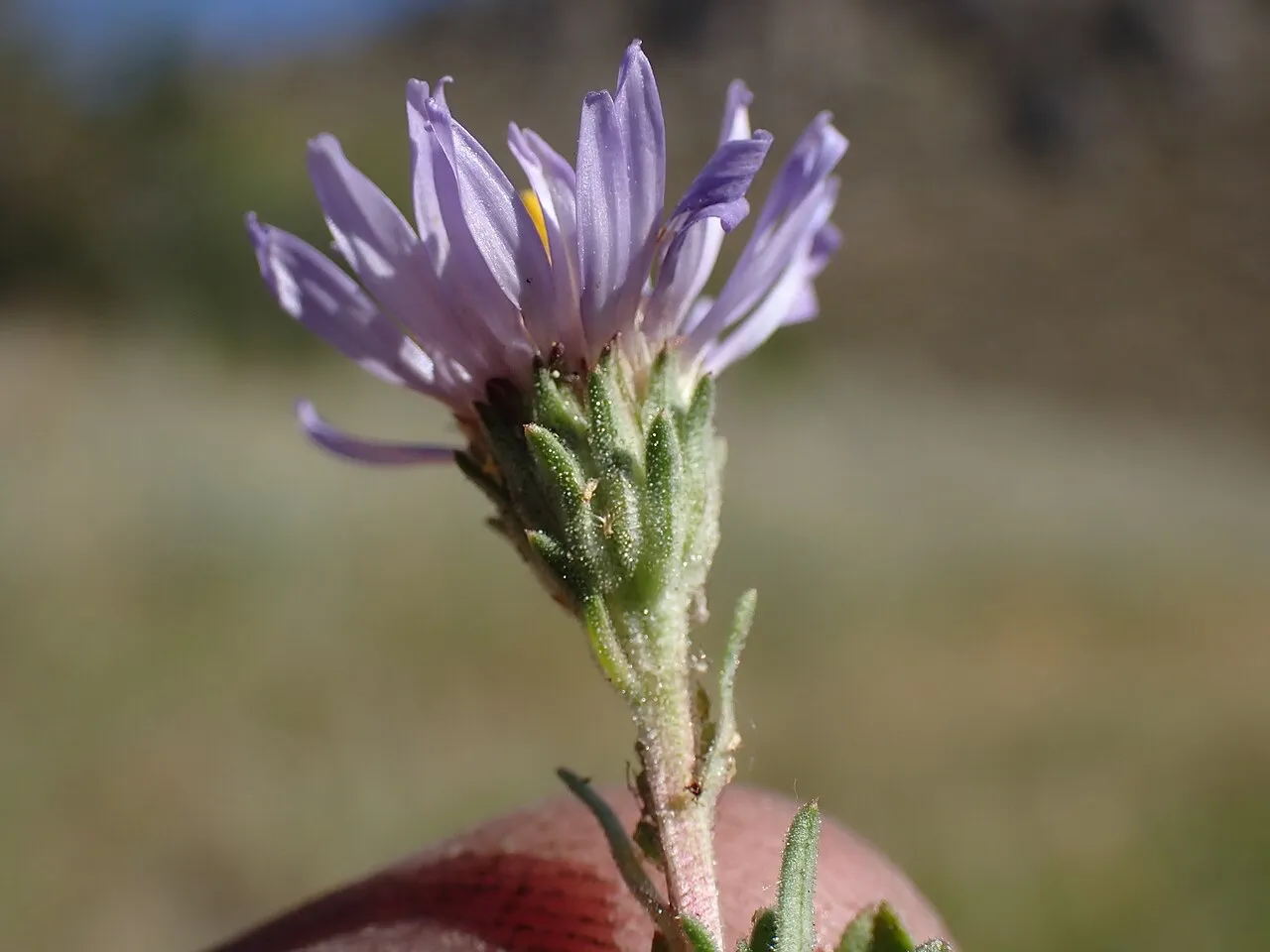
  10. Small lavender prairie aster flowers in bloom 10 Seed availability coming soon

    The Late-Season Lifeline

    Prairie Aster

    Symphyotrichum species

    A last rush of lavender and white when migrating butterflies and native bees need it most.

    • Late nectar
    • Full sun
    • Year-after-year
    Read the field note

    When other flowers have faded, native asters burst into daisy-like bloom. These hardy perennials thrive in full sun and the lean soils of the Columbia Basin, returning year after year with minimal care. Their deep roots stabilize soil while late-season nectar supports pollinators during the critical autumn push.

Why native matters

Not just surviving.
Belonging.

Plants that evolved here don’t just tolerate this challenging climate—they define it. They feed native pollinators, support songbirds, and create landscapes that feel like home.

01

Deep-rooted resilience

Less irrigation. Stronger soils. Plants built for hot summers, hard wind, and winter cold.

02

Living habitat

Food, shelter, and seasonal continuity for the bees, butterflies, and birds that belong here too.

03

A sense of place

Landscapes that reflect the color, rhythm, and unmistakable character of the Columbia Basin.

Native seed shop Taking root soon

The next season

Bring a piece of
Cliffside home.

We’re preparing a carefully selected collection of Columbia Basin seed for restoration projects, pollinator gardens, and wild places closer to home.

Online seed shop coming soon